If you have looked for an AI tool to capture your doctor visits, you have probably noticed something: most of the results are marketed to healthcare practices, not to patients. Terms like clinical documentation, EHR integration, and SOAP notes dominate the search results. These tools are not designed for you.
The rise of patient-first AI note tools changes that. But the difference between a doctor-oriented AI scribe and a patient-first tool is not just about who buys it. It is about who the product is designed to serve, and that decision shapes every part of your experience.
Here is what separates the two.
An AI scribe listens to a medical conversation — whether in person or over a telehealth call — and turns it into organized text. That is the basic function. What happens after the transcription is where the two paths diverge.
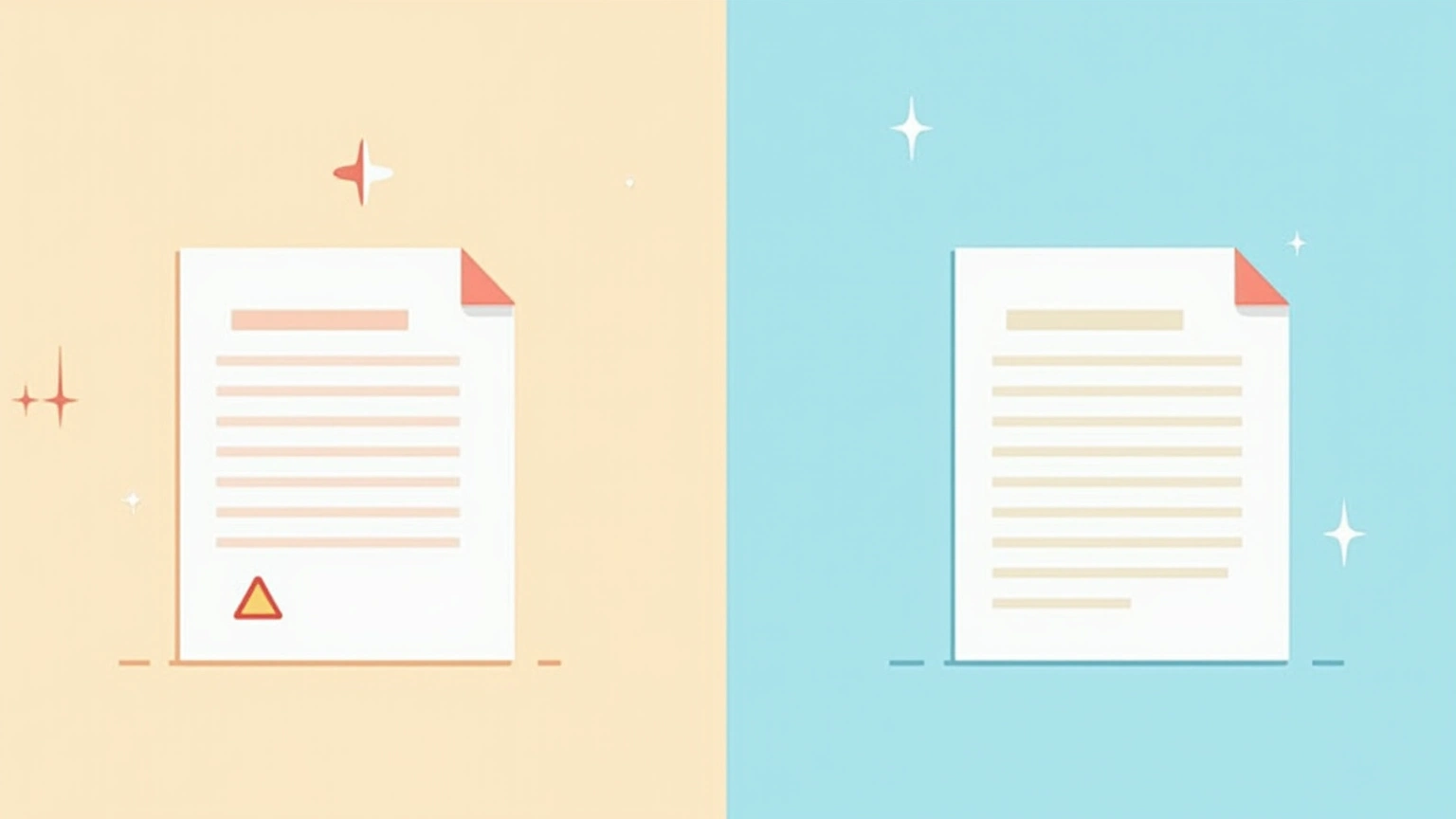
A doctor-focused AI scribe feeds its output into the clinician’s workflow: chart notes, billing codes, and electronic health record systems. A patient-first AI note tool feeds its output into the patient’s workflow: a readable summary, follow-up reminders, and shareable records you can actually use.
Same technology. Completely different end users.
| Aspect | Doctor-oriented AI scribe | Patient-first AI notes |
|---|---|---|
| Output format | SOAP notes, clinical chart, billing codes | Plain-language summary, action items, medications |
| Who reads it | Clinicians, coders, insurance reviewers | You, your family, other doctors you visit |
| Data ownership | Stored in the healthcare system’s EHR | Stored in your own account on your device |
| Language | Medical abbreviations, clinical jargon | Clear, non-technical language anyone can understand |
| Goal | Reduce documentation time for the provider | Help you remember, understand, and follow through |
| Recording control | Started by the clinic or provider’s system | You press record on your own phone |
| Pricing | Paid by the practice or hospital | Free trial or subscription, paid by the patient |
| Consent | Often implied as part of the clinic workflow | Your choice — you decide when and what to record |
The most important difference is not technical. It is about who the product serves.
Clinical AI scribes do a good job at what they were designed for: helping doctors document visits more efficiently. But they do almost nothing for the patient sitting across the room.
A SOAP note compresses a fifteen-minute conversation into a few lines of clinical shorthand. Things like “Pt reports intermittent epigastric discomfort x3 wks, denies N/V/D” are useful for a chart. They are not useful for a patient who just wants to know what their doctor said about a stomach issue and what to do about it.
When a doctor’s scribe captures a visit, the output becomes part of the medical record, which is controlled by the provider’s system. Research published in JAMIA found that patients who read their open visit notes identified errors in their records — a process that matters because the medical record is controlled by the provider, not the patient. Patients have the legal right to request their records, but the process is slow, sometimes expensive, and usually impractical for day-to-day use.
Doctor scribes run on the clinic’s schedule, not the patient’s. If you are switching providers, seeing a specialist at a different health system, or going to urgent care, the scribe does not travel with you. A patient-owned app on your phone works everywhere you go.
A patient-oriented AI note tool addresses the problem most people do not name directly: you leave the appointment knowing something important was discussed but you cannot remember exactly what.
The solution has three parts:
Capture the full conversation. You are not just remembering the parts that sounded important during the visit. The full transcript is there, including small details that turn out to matter later.
Translate into plain language. A good patient-first summary does not just transcribe. It organizes. Medications in one section. Follow-up steps in another. Questions the doctor raised. This structure makes the summary actionable instead of just being a wall of text.
Make it portable. The summary lives on your phone, in your account. You can forward it to a family member, bring it to a second opinion, or keep it as a record for yourself. It does not depend on any particular doctor, clinic, or health system.
Doctor-oriented AI scribes make sense for practices that need to reduce documentation burden, improve charting accuracy, and keep clinical workflows streamlined. If you are a healthcare administrator evaluating scribe tools, these are the right products to look at.
Patient-first AI note tools make sense for anyone who wants to:
If you search for free AI doctor notes for patients, you will find some tools that claim to offer this functionality. Most either limit how much you can record on their free tier or offer a limited trial. The more useful question is not about price but about whether the tool actually builds its output around patient needs.
Because you control the recording and the summary, the privacy picture is different from a clinical scribe. Hospital-based AI tools are subject to HIPAA because the provider is covered by that regulation. A personal note app on your phone is not — because the data never passes through a healthcare provider.
That does not mean privacy does not matter. It means you need to pay attention to the app’s own privacy policy instead of relying on HIPAA. Ask yourself:
Some patient-first tools are transparent about these questions and give you full control. Others are not. Reading the privacy details before trusting any app with health conversations is a good habit.
A few quick signs that a product is really designed for providers, even if it claims to help patients too:
If most of these apply, the tool is a doctor scribe with a patient-facing tagline. You can still use it, but you will be working around design decisions that were not made with you in mind.
The right product should feel like having a helpful assistant sit in on your visit — one who takes clear notes, highlights what matters, reminds you of follow-ups, and makes everything easy to share with family or other doctors.
It should not feel like you are accessing a medical chart. You should not need clinical training to understand your own summary. The tool should help you feel more confident and organized after each appointment, not more confused about what a SOAP note says.
If you are curious about what a patient-first summary looks like in practice, the doctor appointment summary app guide walks through how these tools turn a raw conversation into clear next steps.
Doctor-oriented AI scribes and patient-first AI note tools use the same underlying technology. But they serve completely different people, produce different outputs, store data in different places, and help with different problems.
If your goal is to remember what your doctor said, keep organized records, and stay on top of follow-through between visits, a patient-first tool is the only option designed for that purpose. The rest are clinical products repackaged for a broader audience.
AI Doctor Notes offers a free 7-day trial so you can see the difference for yourself before committing. Try it during a real appointment, review the summary, and decide whether a patient-first approach actually helps you stay organized. That is the test that matters.
Start here
This page belongs to the record doctor visit app cluster. Start with the pillar, then use the related guides for the next step.
Download AI Doctor Notes to prepare ahead of time, stay focused in the room, and leave with a clear summary you can revisit or share.